
Clean-label insights.
Formulation science, industry trends, and our company journey through the oceans.
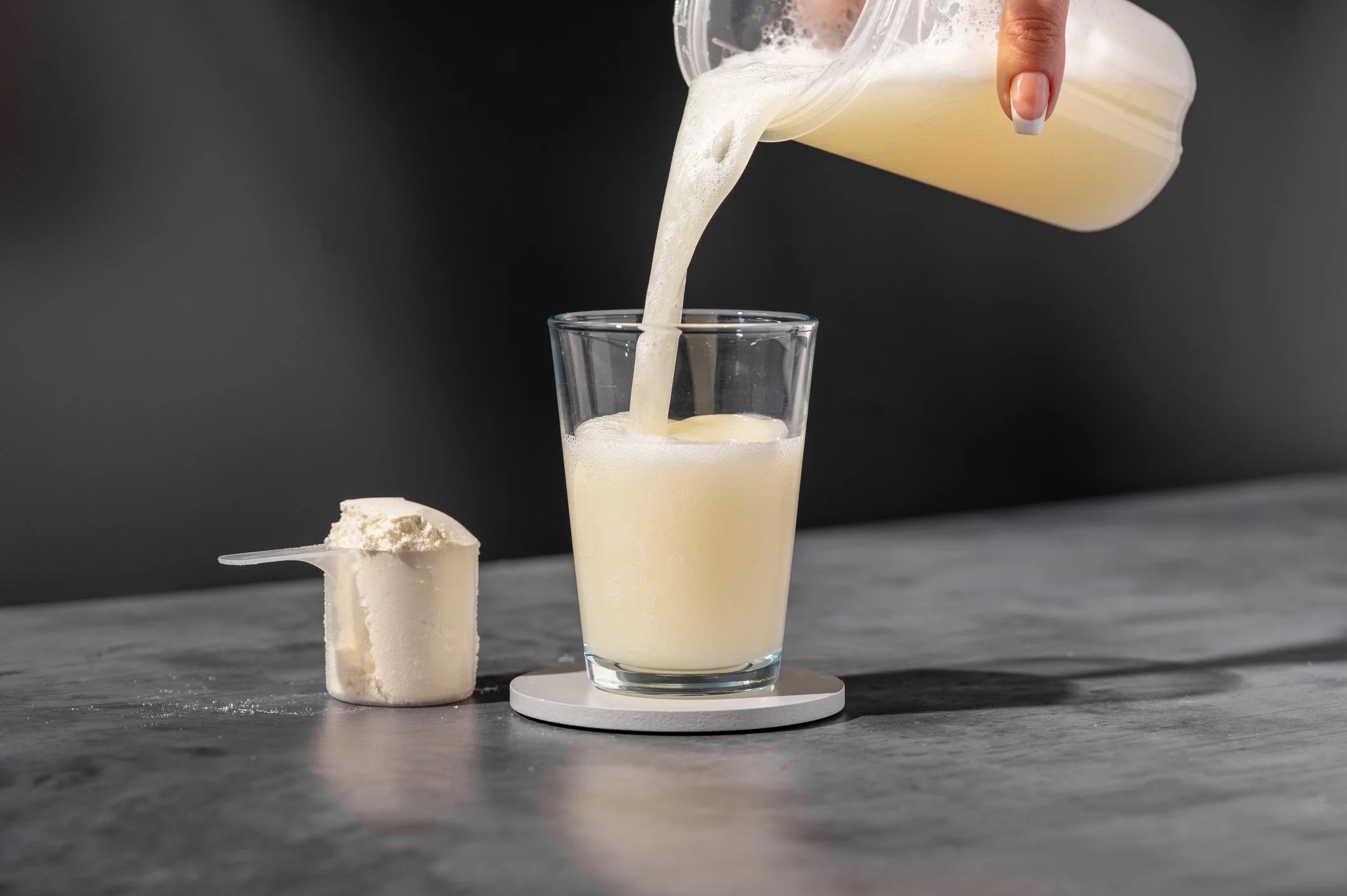
Your Protein Source Dictates Your Formula
Before formulation even begins, your choice of protein source has already set key constraints on flavor, nutritional quality, and heat stability. Compare liquid dairy, dried dairy, plant isolates, and yeast biomass across extraction routes and UHT processing—and learn which formulation levers remain to optimize your beverage.
The Slow Failure: Why High-Protein Drinks Are Gelling on the Shelf
Age gelation is a thorny problem for beverage formulators working to keep products shelf stable. Several mechanisms are at work that cause an RTD beverage to collapse and turn to gel weeks or months after leaving the bottling plant. This post details the 5 key mechanisms.
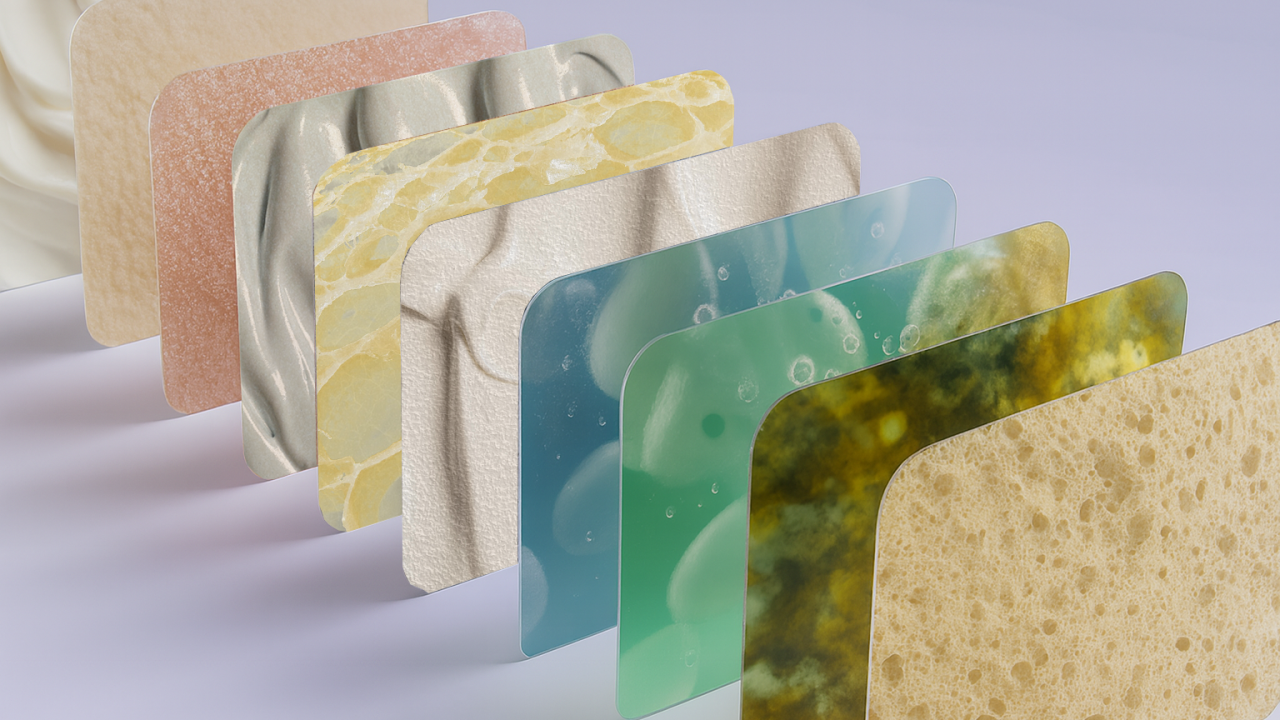
Cellulose from the Sea
Cellulose from seaweed differs in important structural ways from cellulose derived from terrestria or lignin-based sources. Those structural differences provide important advantages for food formulation.

Seaweed Supply Chains: Inside Fifty-Years of Industrial Cultivation
Cultivated seaweed is now a 35.8-million-tonne, $20-billion global industry — 97% farmed, $780M of dedicated venture capital deployed, and institutional capital aligned.
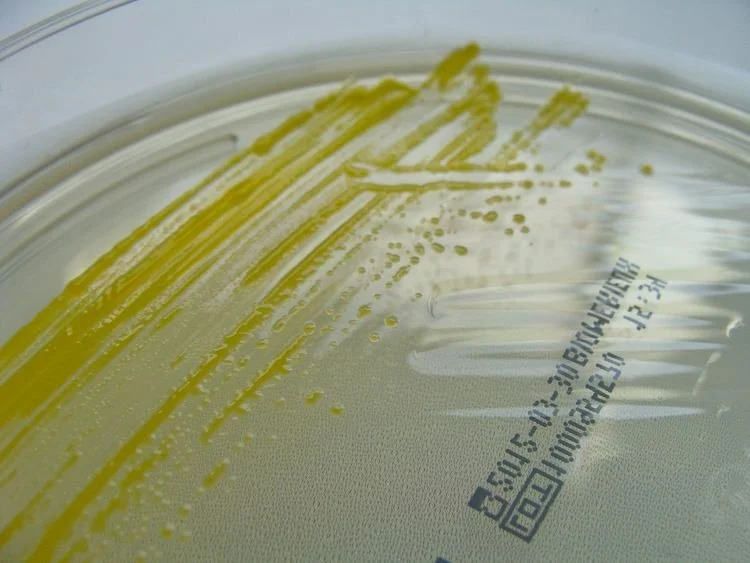
E418: The Story of Gellan Gum
How a 1978 sample of pondweed slime became E418, and what gellan gum's industrial origin reveals about the limits of clean-label.

Assembly Not Required: Designing New Stabilizer Systems
RTD stabilization now has a different solution to the multi-ingredient additive stack: an ingredient designed end-to-end from a single feedstock.
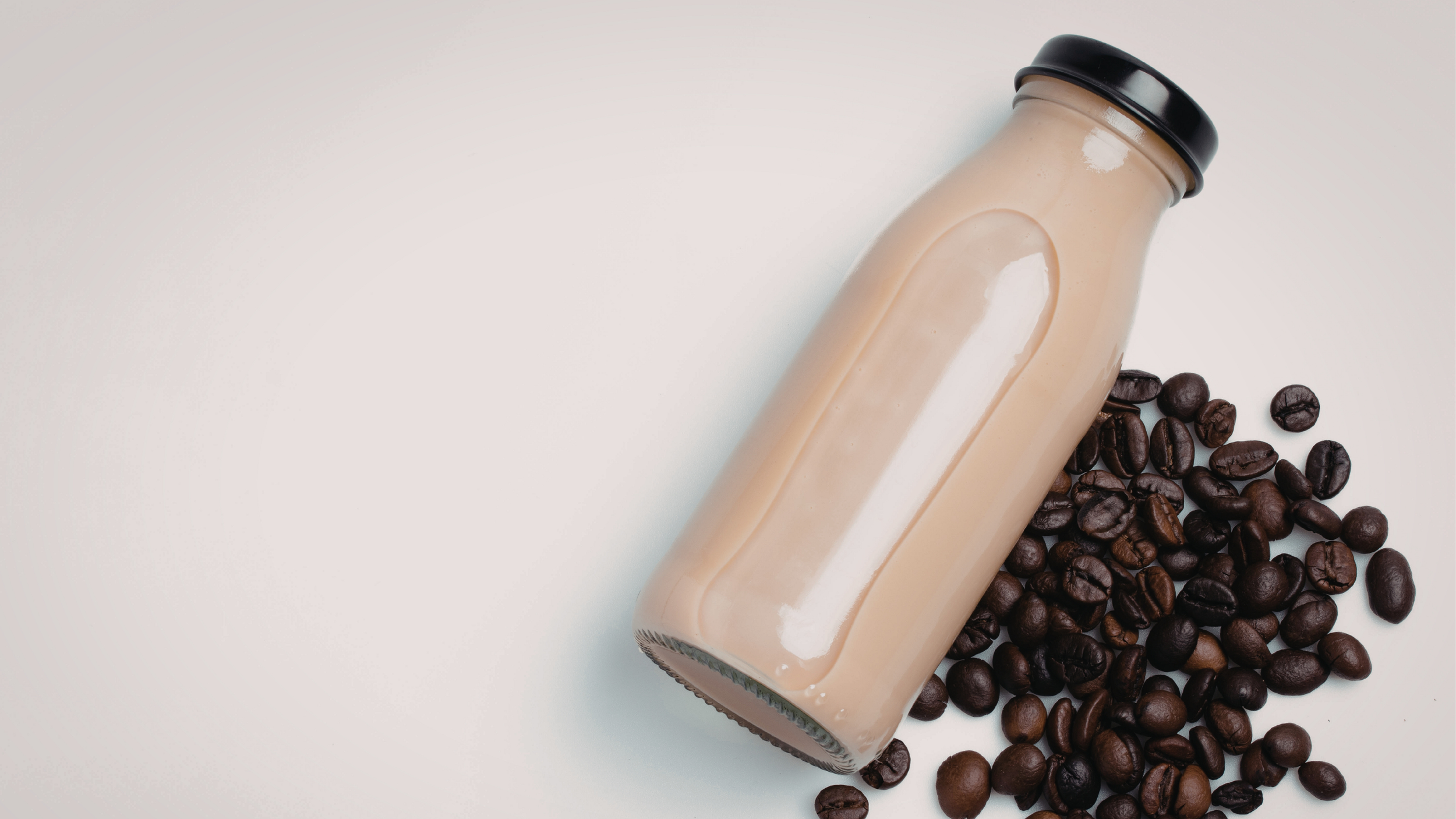
RTD Coffee: A Technical Deep Dive
When each RTD coffee stabilizer does, where each one breaks, and whether the stack still needs to be a stack.

5 Macro Trends from 7 Trade Shows
From clean-label deadlines to the protein reformulation bottleneck - five trends that kept coming up across seven trade shows.
Protein Stabilization in RTD Beverages: Why Your Gum Stack Is A Problem
Most high-protein RTD stabilizer systems were designed for 15–20g protein. At 30g+, gum stacks fail. SeaTex offers a single-ingredient alternative.